
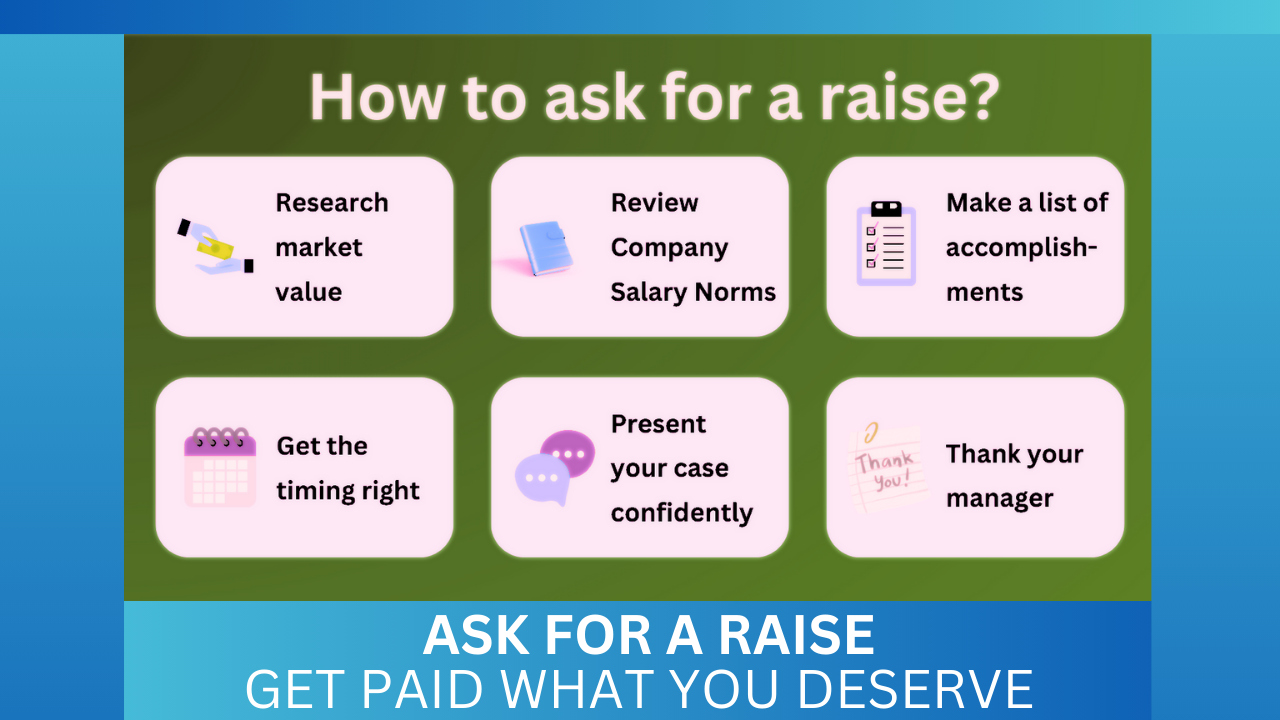
Learn how to ask for a raise confidently, including email examples, timing tips, and proven strategies that work in the USA job market.
How to Ask for a Raise (Step-by-Step Guide for the USA)
Asking for a raise can feel uncomfortable, stressful, and even scary—especially if you’ve never done it before. Many professionals in the United States work harder, take on more responsibilities, and deliver excellent results, yet hesitate to ask for higher pay.
The truth is: asking for a raise is a normal and expected part of professional growth.
In this detailed guide, you’ll learn:
- How to ask for a raise the right way
- When is the best time to ask
- What to say (and what NOT to say)
- Common mistakes that ruin raise requests
- What to do if your request is denied
This guide is written specifically for the USA job market and works for employees in corporate jobs, startups, remote roles, and professional services.
Why Asking for a Raise Matters
Many employees assume good work will automatically lead to higher pay. Unfortunately, that’s rarely true.
Here’s why asking matters:
- Salaries don’t always increase automatically
- Companies reward employees who advocate for themselves
- Raises compound over time (small raise today = big money later)
- Inflation reduces your real income if your pay stays the same
If you don’t ask, the answer is almost always no by default.
When Is the Best Time to Ask for a Raise?
Timing is critical. Asking at the wrong moment can hurt your chances—even if you deserve it.
Best Times to Ask for a Raise
- After completing a major project successfully
- During annual or quarterly performance reviews
- ask for a salary raise
- After receiving positive feedback from management
- When your role or responsibilities have expanded
- When company performance is strong
- After 6–12 months of consistent high performance
Worst Times to Ask for a Raise
- When the company is facing layoffs or losses
- Right after a mistake or poor performance review
- During peak stress periods (deadlines, crises)
- Without preparation or evidence
How to Prepare Before Asking for a Raise
Preparation separates successful raise requests from rejected ones.
Research Market Salary (USA)
Check what professionals in your role earn using:
- Glassdoor
- Indeed Salary
- Payscale
- LinkedIn Salary
Know:
- Average salary range
- Industry standards
- Location-based differences
Document Your Achievements
Create a list of:
- Measurable results (sales, revenue, growth, efficiency)
- New responsibilities you’ve taken on
- Problems you’ve solved
- Positive feedback or reviews
Numbers and outcomes matter more than effort.
Decide Your Raise Amount
Most raises fall between:
- 5%–10% for standard performance
- 10%–20% for strong performance or role expansion
Always ask slightly higher than your minimum acceptable number.
How to Ask for a Raise In Person (Conversation Strategy)
Step-by-Step Raise Conversation Framework
- Start positive
- Highlight your contributions
- State your request clearly
- Pause and listen
Example Script (In-Person)
“I really enjoy working here and appreciate the opportunities I’ve had. Over the past year, I’ve taken on additional responsibilities and achieved results like [specific example]. Based on my performance and market research, I’d like to discuss a salary increase.”
This approach is:
- Professional
- Confident
- Results-focused
How to Ask for a Raise via Email (Best Practices)
Asking for a raise via email is common in the USA—especially for remote jobs, hybrid roles, or busy managers.
When Email Is Appropriate
- Remote work environments
- Initial conversation request
- Follow-up after discussion
- When documentation is preferred
How to Ask for a Raise via Email (Simple & Professional)
Short Raise Request Email Example
Subject: Salary Discussion Request
Dear [Manager’s Name],
I hope you’re doing well. I wanted to request a time to discuss my performance and compensation.
Over the past [time period], I’ve consistently contributed to [key achievements]. Based on my responsibilities and market research, I’d appreciate the opportunity to discuss a potential salary adjustment and asking for a raise at work.
Please let me know a convenient time to talk.
Best regards,
[Your Name]
Professional Raise Email (Detailed Example)
Subject: Request for Salary Review
Dear [Manager’s Name],
I hope this email finds you well. I wanted to thank you for your continued support and guidance.
Over the past year, I’ve taken on additional responsibilities and contributed to several key projects, including [achievement]. I believe my performance and results align with a higher level of compensation based on current market standards.
I would appreciate the opportunity to discuss a possible salary increase at your convenience.
Thank you for your time and consideration.
Sincerely,
[Your Name]
How Much Raise Should You Ask For?
Raise expectations depend on:
- Industry
- Role
- Performance
- Company size
- Location in the USA
General Guidelines
| Performance Level | Raise Range |
|---|---|
| Average | 3%–5% |
| Strong | 6%–10% |
| Exceptional | 10%–20% |
What NOT to Say When Asking for a Raise
Avoid these mistakes:
“I need more money for personal expenses”
“when to ask for a raise”
“Others are paid more than me”
“I’ve been here a long time”
“If I don’t get a raise, I’ll quit”
Your request should be business-focused, not emotional.
What If Your Raise Request Is Denied?
A “no” today doesn’t mean “never.”
Smart Response Strategy
- Ask for feedback
- Request performance goals
- Set a future review date
- Ask about alternative benefits
Example Response
“Thank you for the feedback. Could you share what goals I should focus on to revisit this conversation in the future?”
Alternatives If Salary Increase Is Not Possible
- Performance bonus
- Additional paid time off
- Remote work flexibility
- Title change
- Stock options
- Professional development budget
Frequently Asked Questions (FAQ)
Salary negotiation tips USA ?
Research U.S. market salaries, highlight measurable achievements, choose the right timing, stay confident and professional, ask slightly higher, be flexible, and always back your request with clear results.
Is it okay to ask for a raise via email?
Yes. In the USA, email is widely accepted, especially in remote or corporate environments.
How long should I wait before asking again?
Usually 6 months, unless advised otherwise.
Can asking for a raise get me fired?
No. Professional raise requests do not lead to termination in healthy work cultures.
Final Thoughts: Confidence Is Key
Learning how to ask for a raise is a career skill—not a risk. When you prepare properly, choose the right timing, and communicate professionally, your chances of success increase significantly.
Remember:
- You are advocating for your value
- Employers expect these conversations
- Even a “no” provides clarity and direction
